

The journey of gambling A historical perspective on its evolution
Origins of Gambling
The history of gambling dates back thousands of years, with evidence of betting activities found in ancient civilizations. Archaeological discoveries reveal that the Chinese were playing a form of gambling as early as 2300 BC, utilizing simple dice made from bones. Similarly, ancient Egyptians were known to engage in games of chance, as seen in their board games, which incorporated elements of luck and strategy. For those interested, exploring no kyc casinos offers a modern avenue to experience this timeless entertainment.

Gambling’s presence in these early societies indicates its fundamental role in human entertainment and social interaction. As cultures evolved, so did the sophistication of gambling practices, with the introduction of various games and betting forms tailored to local customs and beliefs.
Gambling in the Middle Ages
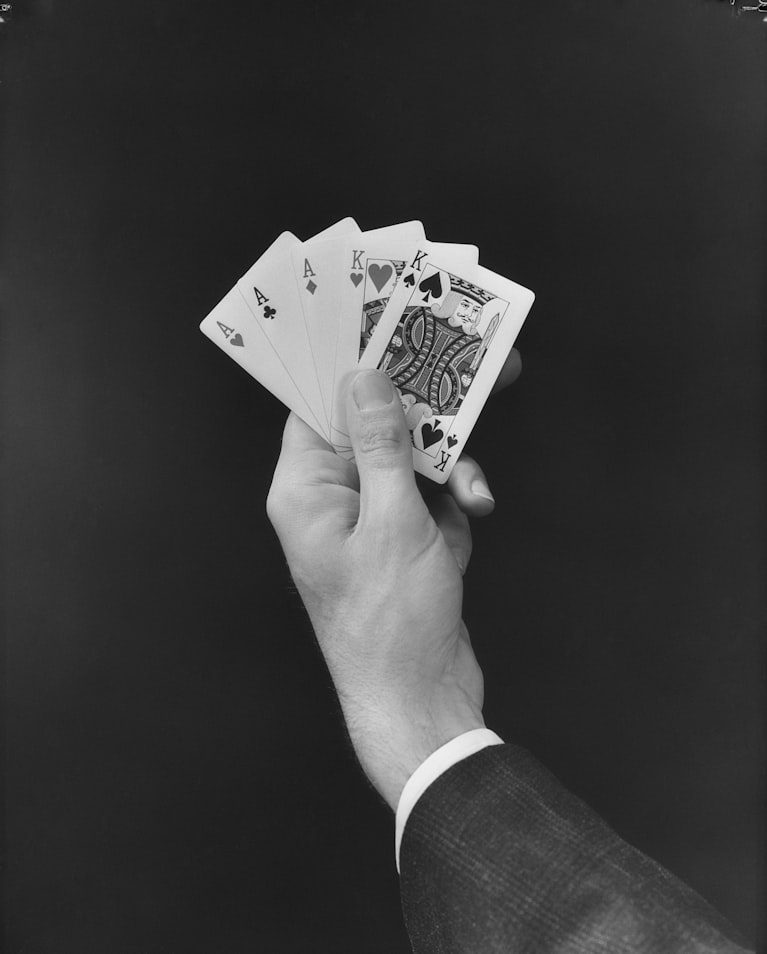
The Middle Ages marked a significant evolution in gambling, particularly in Europe. This period saw the establishment of organized games and betting systems, often associated with fairs and festivals. Card games emerged during this time, and gambling houses began to appear, providing a designated space for players to enjoy their favorite games.
The Church’s influence during this period often led to the regulation of gambling activities, with various bans and restrictions imposed. Despite this, gambling remained popular, with royal courts and nobility frequently participating in high-stakes games, further embedding the practice within societal norms.
The Rise of Modern Casinos
The 18th century heralded the emergence of modern casinos, particularly in Europe. The establishment of the first official casino in Venice in 1638 set the stage for the development of similar establishments across the continent. By the late 19th century, cities like Monte Carlo and Baden-Baden became synonymous with luxury gambling, attracting wealthy patrons from around the world.
These casinos introduced a variety of games that are still popular today, such as roulette and blackjack. The allure of these establishments not only provided entertainment but also became a symbol of status and extravagance, shaping public perception of gambling as an elite activity.
The Impact of Technology on Gambling
The 20th century brought significant advancements in technology, profoundly transforming the gambling landscape. The introduction of slot machines and later video gaming machines provided new avenues for players, leading to the growth of commercial gambling. Las Vegas emerged as a gambling capital, showcasing elaborate casinos that catered to a wide audience.
With the rise of the internet in the late 20th and early 21st centuries, online gambling gained momentum, allowing players to access a plethora of games from the comfort of their homes. This digital revolution not only expanded the gambling community but also introduced new regulations and security measures to enhance player experience and safety.
Exploring Online Gambling Today
Today, online gambling has become a preferred choice for many enthusiasts. With platforms offering a variety of games and secure payment methods, players enjoy a seamless gaming experience without the need for extensive verification. This shift towards online gambling emphasizes convenience and privacy, aligning with modern consumer preferences.
As the gambling industry continues to evolve, resources are available to help players navigate the options available. Our website provides comprehensive guides and reviews of online casinos that focus on user experience, ensuring that both novice and experienced players can make informed decisions. Join us for a journey through the fascinating world of gambling, where tradition meets innovation.