

The journey of gambling A look at its historical evolution
The Origins of Gambling
The roots of gambling can be traced back to ancient civilizations, where games of chance were a prevalent form of entertainment. Archaeological findings suggest that dice games were played as early as 3000 BC in Mesopotamia, with pieces made from materials like bones and stones. These early forms of gambling not only served as leisure activities but also played significant roles in religious and social rituals. The excitement surrounding modern platforms, such as the Cricket Duel gambling game, echoes the same thrill sought by our ancestors.

As societies evolved, so did gambling. The introduction of betting on animal fights and races showcased humanity’s innate desire for competition and risk-taking. Ancient Egyptians and Romans further popularized gambling with their own games, such as senet and the chariot races, establishing a foundation for the modern gambling practices we see today.
The Development of Gambling in the Middle Ages
The Middle Ages marked a critical period in the evolution of gambling, particularly in Europe. With the rise of the feudal system, gambling became a favored pastime among the nobility. Card games gained popularity, leading to the development of various regional versions and rules. The first standardized playing cards emerged in the 14th century, further cementing gambling’s place in society. Gambling activities during this time influenced community dynamics and social hierarchies.
During this time, the concept of betting on events became more organized, leading to the establishment of betting houses. These establishments laid the groundwork for the modern casinos we know today. However, the Church’s disapproval of gambling created a dichotomy where it was both celebrated and condemned, affecting its social acceptance.
The Birth of Modern Casinos
The 17th century saw the emergence of the first official casino in Venice, Italy, which marked a significant turning point in gambling history. This establishment allowed patrons to gamble freely, combining dining and entertainment with betting. Other European cities soon followed suit, creating lavish venues that attracted players from all walks of life.
The late 19th century witnessed a gambling boom in the United States, particularly with the gold rush and the establishment of Las Vegas as a gambling hub. The legalization of gambling in various states transformed it into a thriving industry, leading to the creation of iconic casinos and entertainment complexes that continue to draw millions today.
The Impact of Technology on Gambling
The advent of technology has drastically transformed gambling, particularly with the rise of the internet. Online casinos began to emerge in the late 20th century, allowing players to enjoy their favorite games from the comfort of their homes. This development not only expanded access to gambling but also introduced new games and betting formats, appealing to a wider audience. Communities have begun to reconsider the implications of gambling as it becomes increasingly accessible.
Mobile gaming further revolutionized the industry, enabling users to gamble on-the-go. Today’s gambling landscape is characterized by instant access to a myriad of games, from traditional card games to innovative casino options like live dealer experiences. This technological advancement has created a more engaging and immersive environment for players.
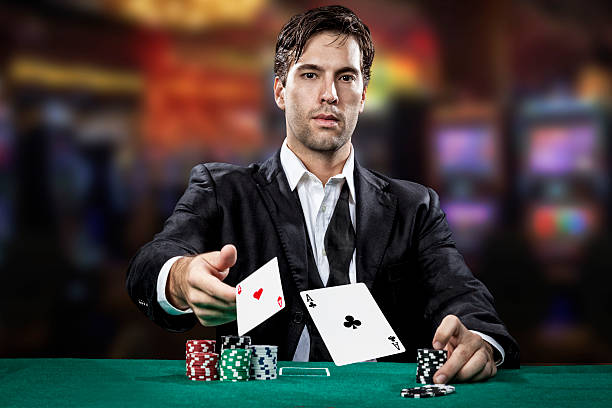
Conclusion and Future of Gambling
The journey of gambling has been a fascinating evolution, shaped by cultural, technological, and societal changes. From its ancient beginnings to the high-tech gaming platforms of today, gambling continues to adapt and grow, reflecting the desires and behaviors of modern society. As regulations evolve and technology advances, the future of gambling promises to be even more dynamic.
For those interested in the latest in gaming experiences, exploring platforms like Cricket Duel offers a glimpse into the exciting world of contemporary gambling. Combining entertainment with the thrill of competition, these modern games ensure that the journey of gambling continues to captivate and engage players around the globe.