

The psychology behind feeling lucky in a casino environment
The allure of chance
Casinos thrive on the human fascination with luck and chance. The atmosphere is meticulously designed to evoke feelings of excitement and possibility. From the flashing lights to the sound of coins clinking, everything works together to create an intoxicating environment that makes visitors feel like they could win big at any moment. This sensory experience fuels the brain’s reward system, making players more inclined to take risks, which is particularly noticeable when exploring mejores casas de apuestas online.
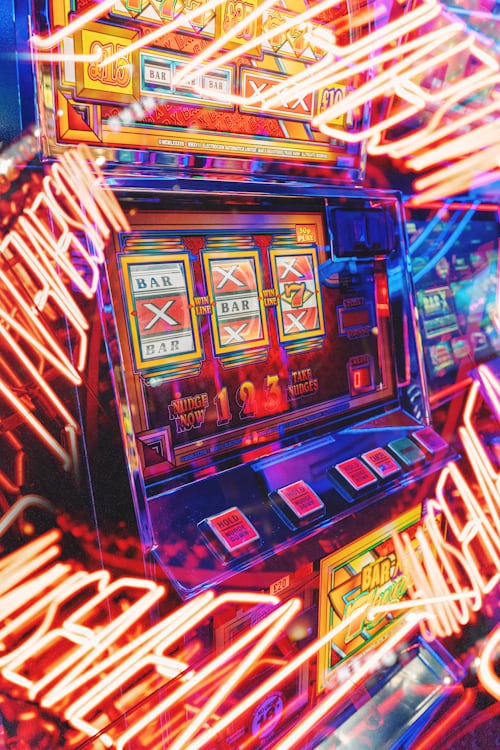
This sense of thrill isn’t just about the potential for monetary gain; it taps into deeper psychological factors. People often associate certain rituals or superstitions with luck, such as wearing lucky clothing or performing specific actions before placing a bet. These behaviors can enhance the feeling of control in a situation that is inherently unpredictable, reinforcing the belief that luck can be influenced.
The role of cognitive biases
Cognitive biases play a significant role in how individuals perceive their chances of winning. For instance, the gambler’s fallacy leads players to believe that past outcomes will influence future results, despite the odds remaining unchanged. This belief can lead to a false sense of confidence, prompting individuals to continue playing in the hopes that their luck will change.
Additionally, the availability heuristic can affect players’ perceptions of luck. When someone hears about a recent big winner, they may overestimate their own chances of success, leading them to feel lucky even when the statistical likelihood is low. This combination of biases creates a psychological trap that keeps players engaged in the casino environment.
The impact of social influence
The casino environment is inherently social, and group dynamics can significantly influence an individual’s feelings of luck. When players observe others winning, they often feel an emotional boost, believing that they too can experience a similar success. This camaraderie can create a collective energy, where the shared excitement heightens individual feelings of luck.
Moreover, social interactions can lead to the reinforcement of superstitions and personal rituals. When friends or fellow players celebrate wins together, they may inadvertently validate each other’s beliefs about what brings good fortune. This social reinforcement can make the feeling of luck even more pronounced, encouraging players to continue participating in the gaming experience.
Environmental factors in casinos
The design of casinos plays a critical role in shaping players’ perceptions and experiences of luck. Various elements, such as lighting, sound, and layout, are strategically employed to create a stimulating environment. Soft lighting and vibrant colors can elevate mood and reduce inhibitions, encouraging risk-taking behavior.
Furthermore, casinos often employ techniques that keep players engaged longer, such as providing free drinks or complimentary snacks. This not only enhances the experience but can also skew a player’s perception of time and money spent, leading them to feel as though they are in a lucky streak, even when they may not be. These environmental cues subtly manipulate the psychology of luck in favor of continued play.
Conclusion: Understanding the psychology of luck
Understanding the psychology behind feeling lucky in a casino environment is essential for both players and operators. For players, recognizing cognitive biases and environmental influences can lead to more informed gambling choices and a healthier relationship with gaming. For operators, leveraging these psychological factors can enhance the overall customer experience and increase engagement.
By exploring the intricate interplay between psychology and the casino experience, individuals can gain valuable insights into their own perceptions of luck and chance. Whether for entertainment or education, understanding these dynamics is crucial in navigating the alluring world of casinos.